






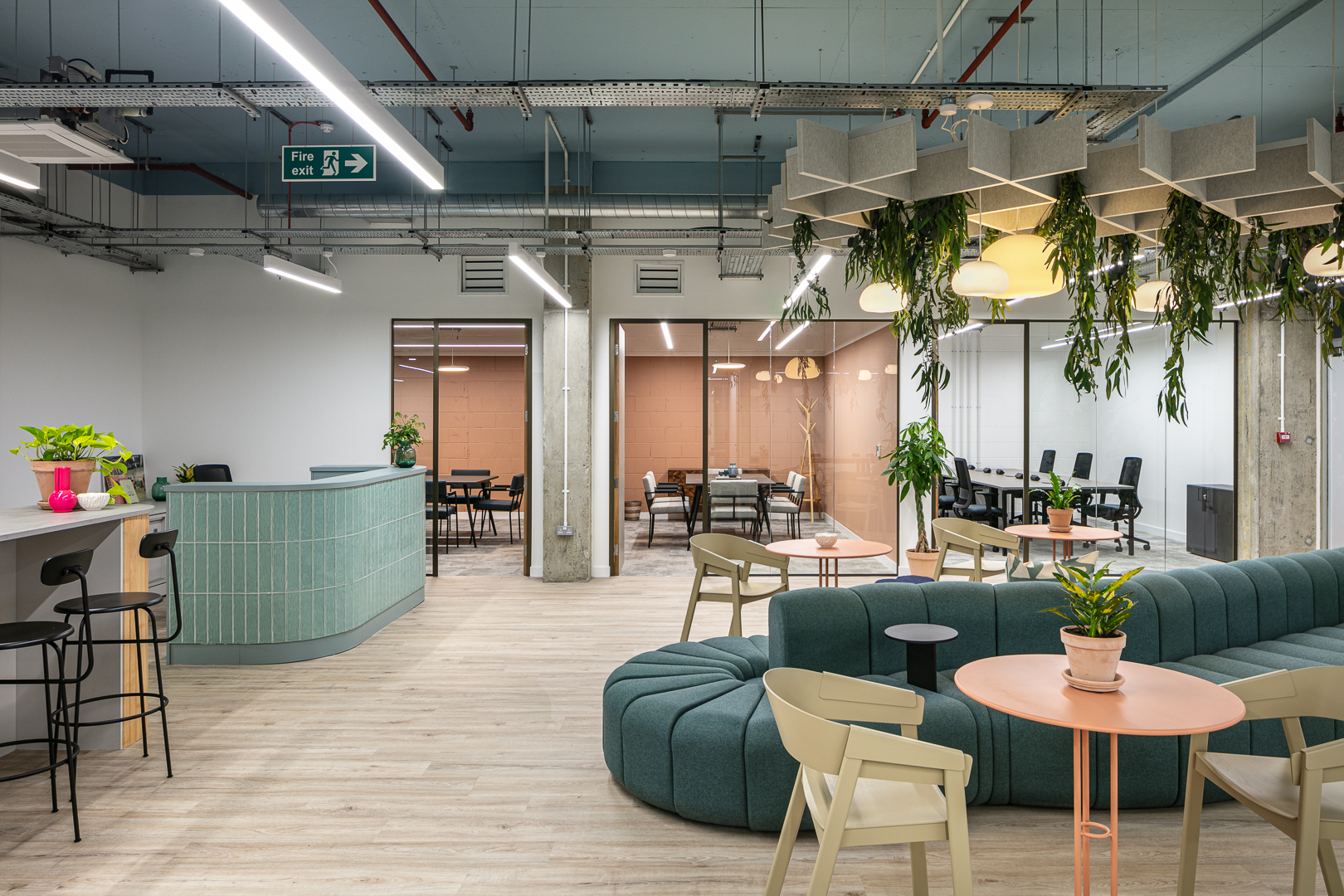







Why part time office spaces are the smarter way to work today
For decades, office space was treated as a fixed cost. Businesses signed long leases, fitted out permanent premises, and expected teams to attend five days a week. That structure made sense when work was location-dependent.
It no longer reflects how modern organisations operate.
Hybrid working has permanently reshaped office demand. According to McKinsey’s research on empty spaces and hybrid places, office utilisation across major cities remains structurally lower than pre-pandemic levels, with long-term demand shifting toward flexibility rather than permanence. The conversation is no longer about whether offices matter — it’s about how often they are actually needed.
This is where part time office space becomes strategically relevant. Instead of committing to a full-time lease, businesses can access high-quality private office environments for a set number of days per week, aligning workspace costs with real occupancy patterns.
It is not a reduction in ambition. It is a recalibration of space strategy.

Hybrid working demands more office space
Hybrid work has introduced something traditional leases rarely accounted for: intentionality.
Employees now come into the office for collaboration, onboarding, strategic planning, and connection — not simply because it is expected. Findings from Gensler’s Global Workplace Survey 2025 show that employees perform best in environments offering a variety of work settings, including spaces designed for both focused and collaborative tasks. Workplace effectiveness is driven by choice and design quality, not daily attendance mandates.
Part time office space supports this behavioural shift. Rather than paying for underused square footage five days a week, organisations can provide teams with a professional base on the days that matter most. The office becomes a strategic resource — not a permanent obligation.
Financial flexibility without sacrificing professionalism
Hybrid working has exposed a structural inefficiency in commercial real estate: underutilisation.
As highlighted in JLL’s analysis of hybrid work models, employee expectations around workplace flexibility are now firmly embedded. Organisations that fail to adapt risk both financial inefficiency and talent challenges.
Part time office space addresses this directly. It enables companies to retain a central professional address, private office space, and access to meeting rooms and infrastructure — without absorbing the cost burden of full-time leases and large-scale fit-outs.
The increasing visibility of part time offices across flexible workspace platforms reflects how mainstream this model has become. What was once considered unconventional is now a core component of modern workspace strategy, particularly for startups, scale-ups, and agile professional firms.
By aligning real estate spend with actual usage, part time office space transforms a fixed overhead into a controlled, adaptable operating cost.
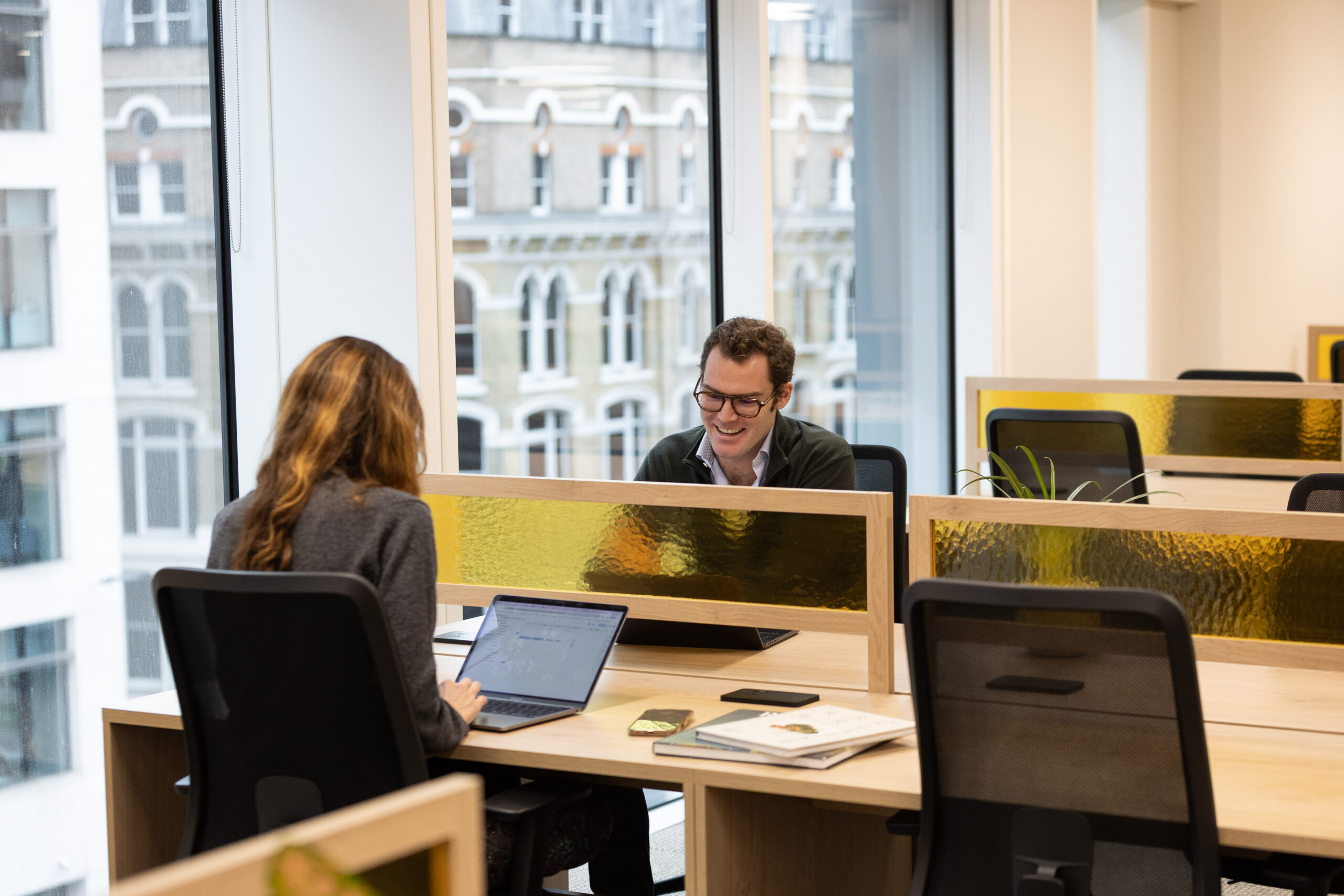
Productivity, wellbeing and hybrid balance
Workplace strategy today is about performance as much as presence.
Research consistently shows that environments offering varied work settings support higher engagement and focus. Hybrid workers benefit most when office time is structured and purposeful rather than compulsory. Part time office space enables that balance by providing access to privacy, focus, and professional infrastructure when needed, while preserving autonomy on remote days.
This approach reduces isolation without reintroducing rigidity. It supports collaboration without forcing unnecessary commuting. It gives teams consistency without locking them into outdated real estate commitments.
Sustainability and smart utilisation
There is also an environmental dimension.
Offices that sit partially empty still consume energy and operational resources. Improving utilisation of existing buildings is increasingly recognised as a practical climate action by the World Green Building Council.
Part time office space aligns occupancy with actual need. It supports better use of existing infrastructure rather than expanding redundant square footage — combining financial efficiency with environmental responsibility.
A strategic evolution in office space
Part time office space is not about compromise. It is about precision.
It combines the professionalism of a private office with the agility of flexible workspace models. It allows organisations to remain credible, collaborative, and connected — without being locked into outdated real estate commitments.
As hybrid working becomes embedded across industries, workspace flexibility is no longer optional. It is strategic.
And in that shift, part time office space is emerging as one of the most intelligent responses to how work is actually done today.